Explore the Map
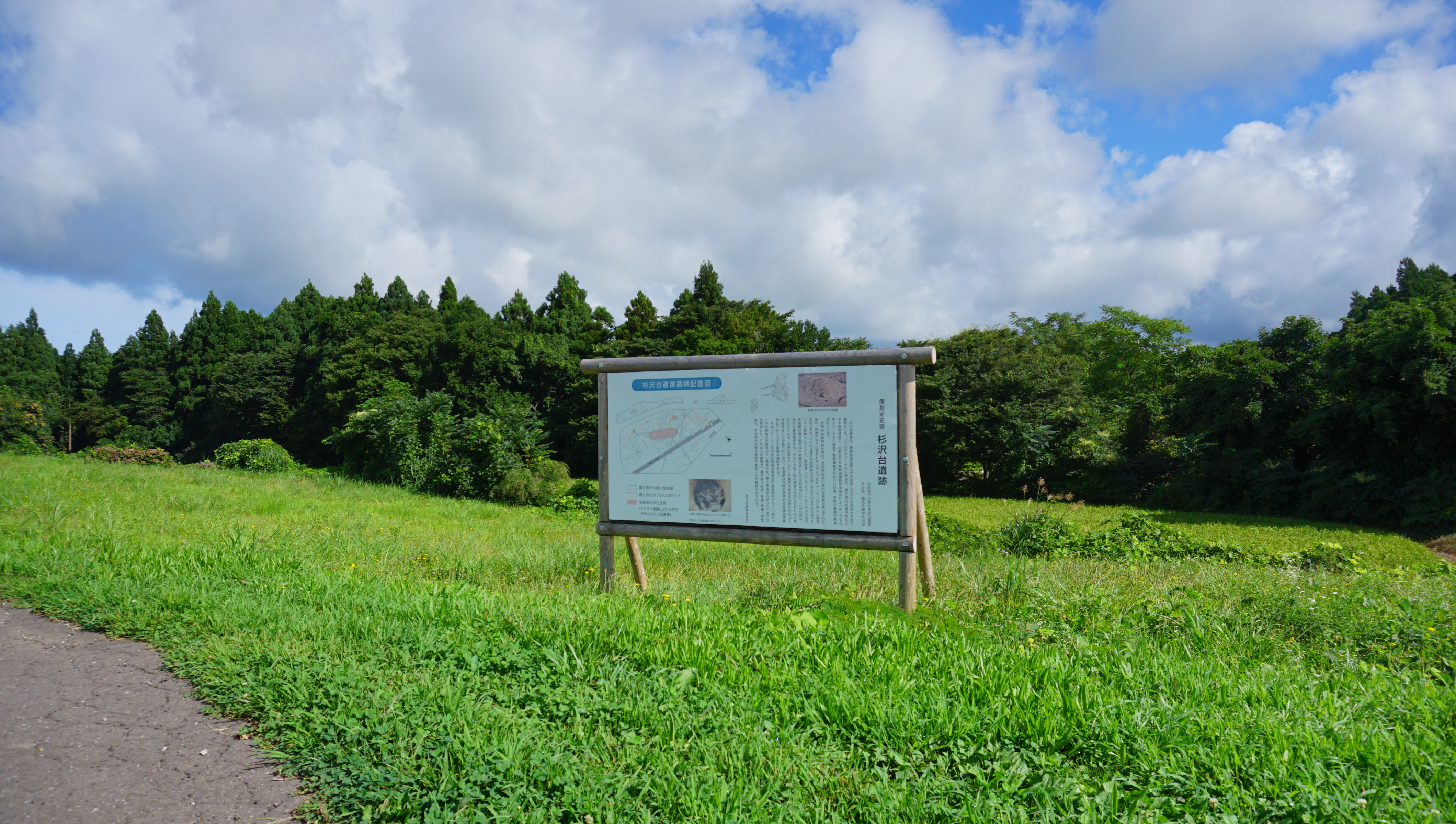
Sugisawadai Site
40.2519° N, 140.0536° E
About
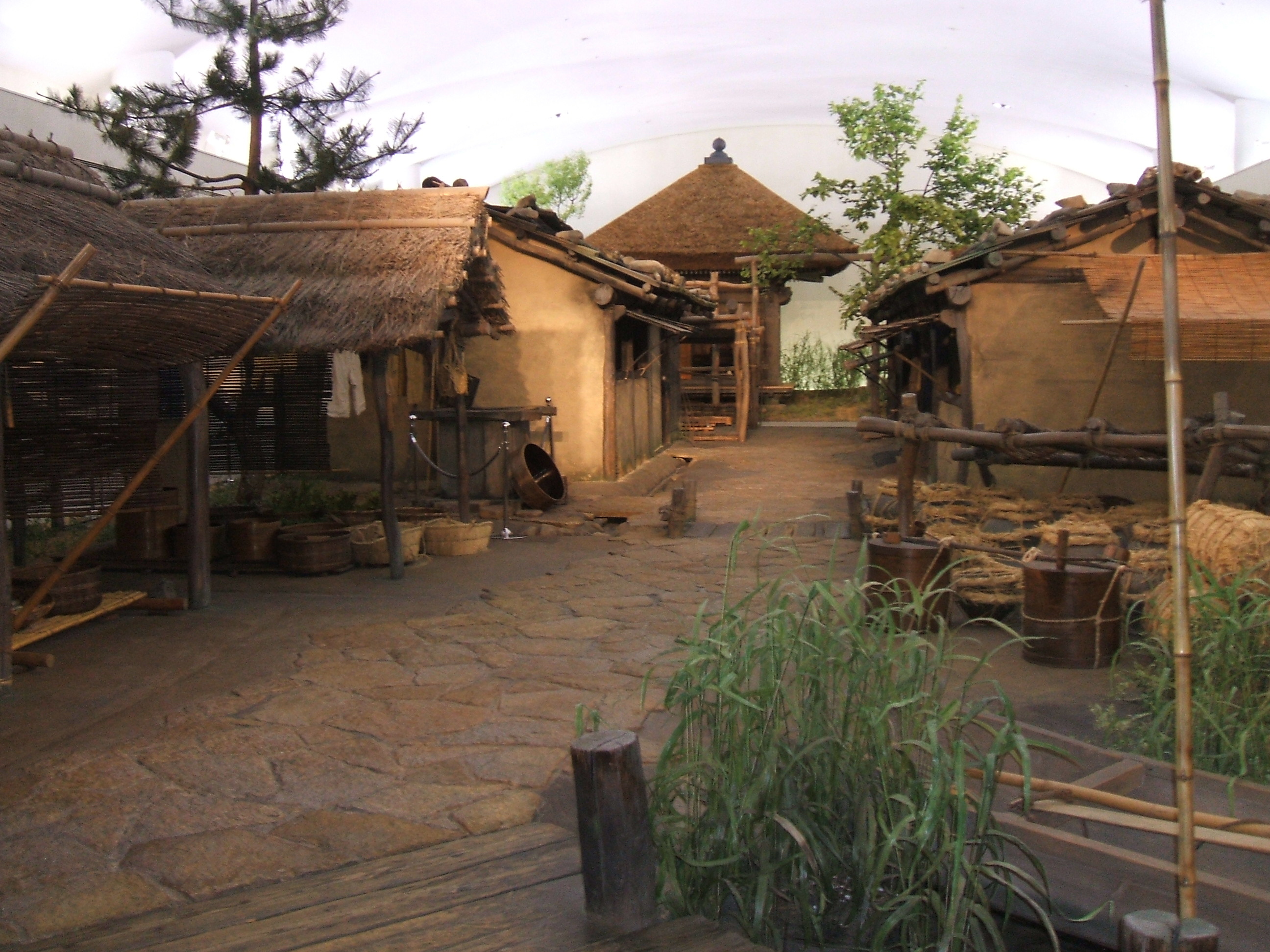
The Sugisawadai ruins are a significant archaeological site in Noshiro, Akita, Japan, representing a large settlement from the Jōmon period. The site covers approximately 35,000 square meters and features the remains of 44 pit dwellings, including large longhouse-style structures. Excavations have revealed numerous storage pits, some containing remnants of discarded shells, indicating food storage and consumption practices. A notable find is a polished stone ax made from materials linked to Hokkaido, suggesting trade interactions. Artifacts like a stone sarcophagus and fishing net weights point to diverse cultural practices. The site also saw later occupation during the Heian period, highlighting its long-term significance. Its designation as a National Historic Site emphasizes its archaeological importance.
Gallery
Explore photographs of ancient structures, artifacts, and archaeological excavations
Historical Timeline
Journey through time and discover key events in this site's history
Jōmon period settlement
5000 BCE
Heian period occupation
700 CE
Archaeological Features
Unique architectural and cultural elements found at this historical site
Storage Structures
Burial and Funerary Structures
Domestic and Habitation Structures
Food Production and Processing Features
Frequently Asked Questions
Plan Your Visit
Tours, travel arrangements, and practical information
More Sites in Japan
Furushida-Higashi ruins
Heian period fortified residence with moat.
Binmanji Ishibotokedani Necropolis
Medieval Japanese necropolis with 1600 tombs.
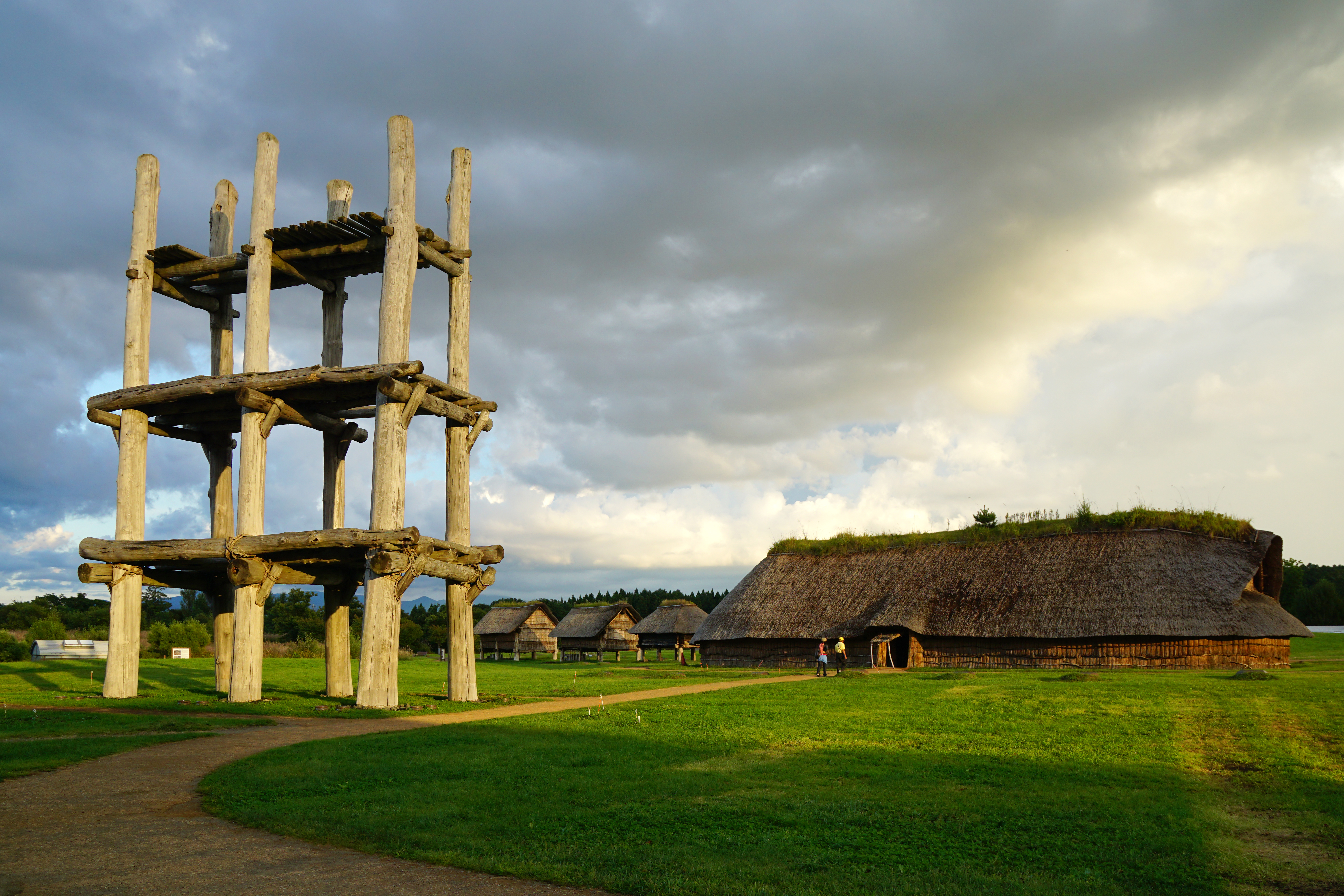
Sannai-Maruyama Site
Large Jōmon period settlement ruins
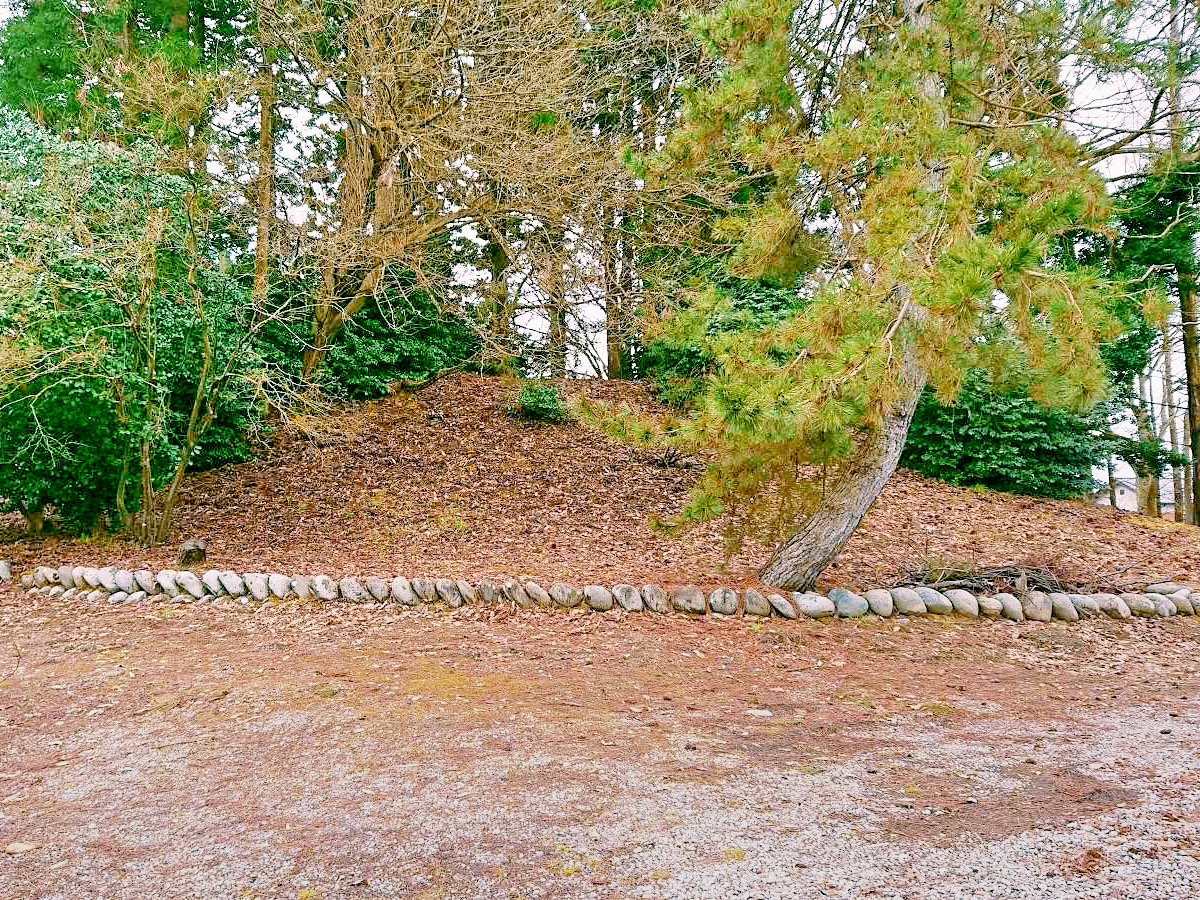
Kushidashin Site
Late Jōmon settlement with Kofun burial mounds.
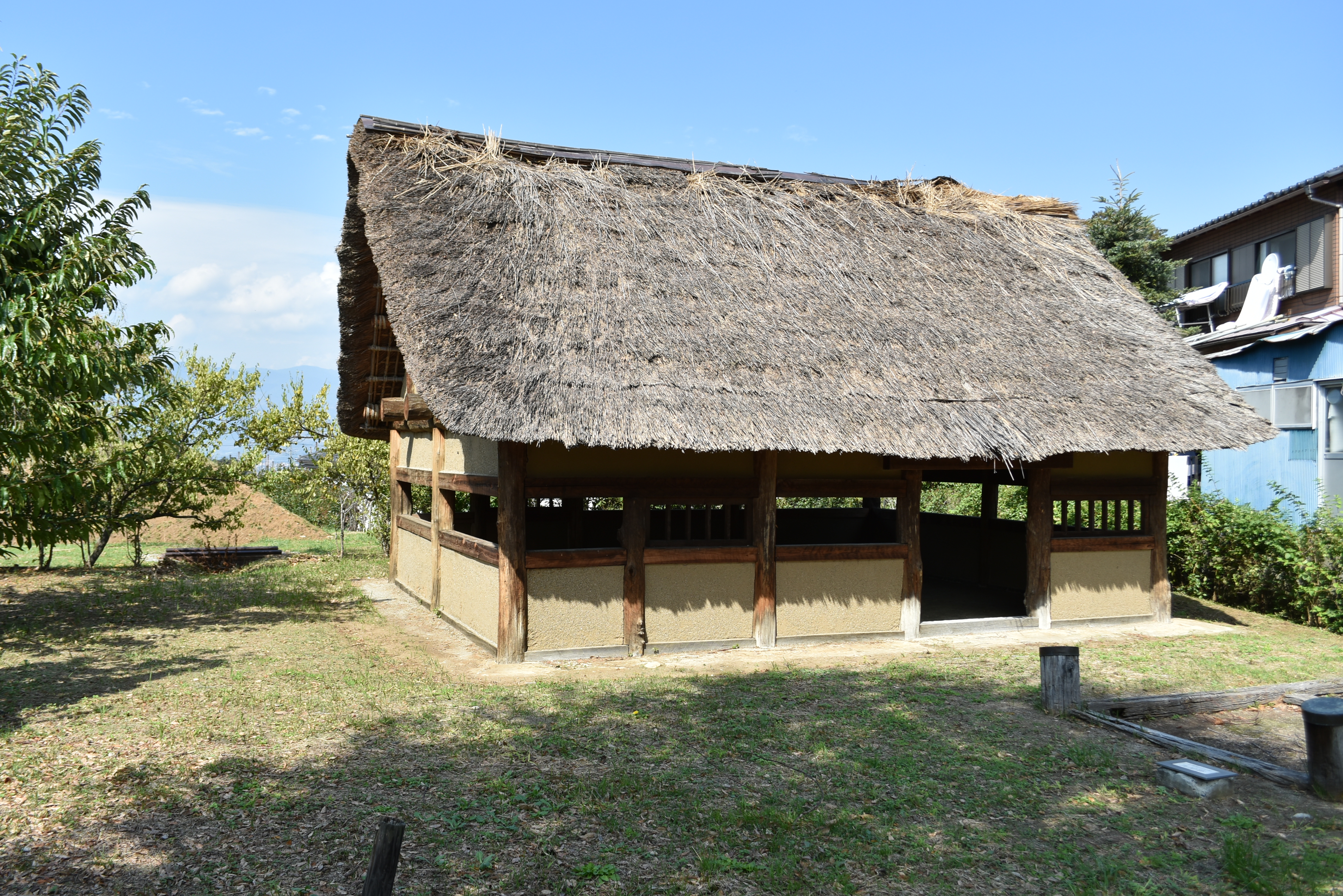
Katsunuma clan residence ruins
Sengoku period fortified residence ruins.
Kusado Sengen
Medieval port town near Ashida River