Explore the Map
Jebel Dosha
20.5000° N, 30.3000° E
About
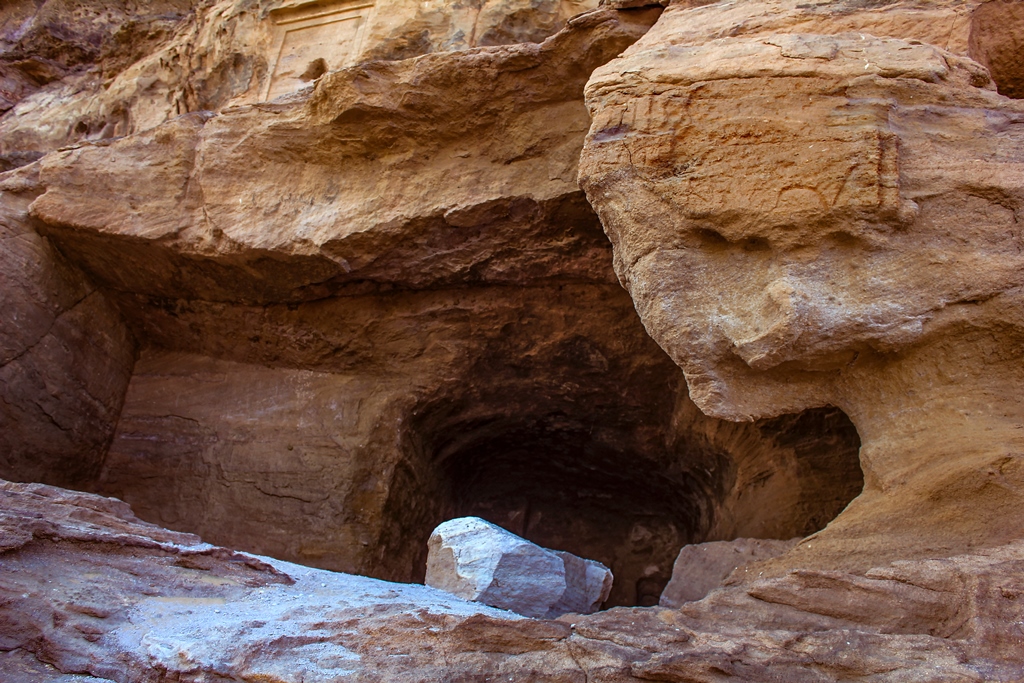
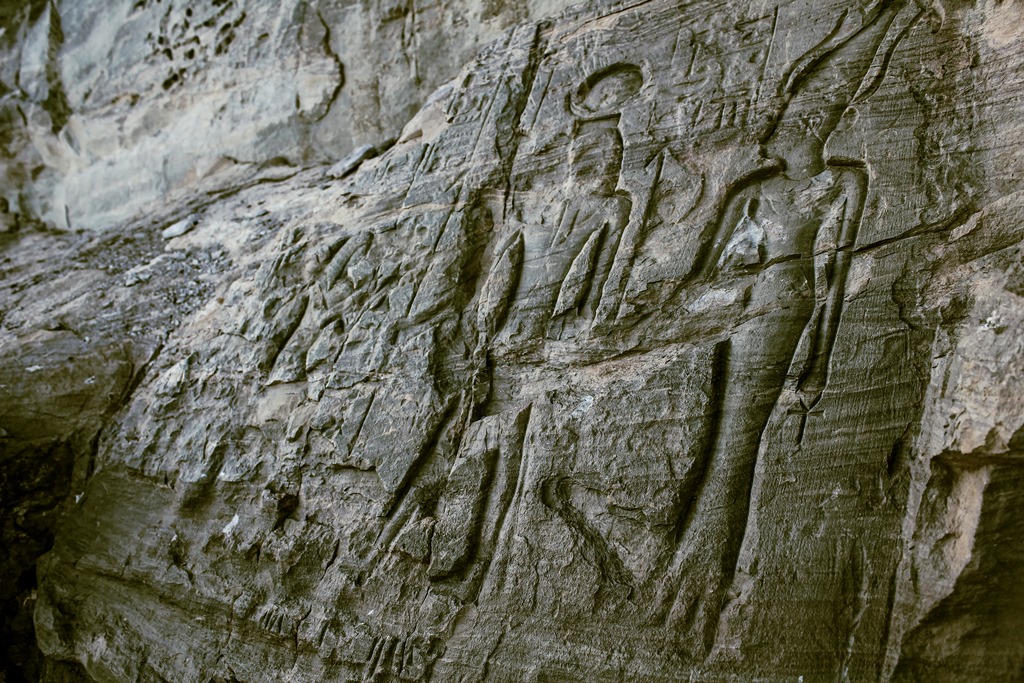
Jebel Dosha is an archaeological site located on a sandstone promontory along the Nile's western bank in Sudan's Northern State. This site is significant for its rock-cut chapel dedicated to Thutmose III, featuring partially intact inscriptions and wall decorations. The chapel includes three seated statues, though they are largely disfigured. Additionally, the site contains several stelae and rock inscriptions from the New Kingdom period, with notable contributions from the early Ramesside period. These stelae, commissioned primarily by the Viceroy of Kush, Amenemopet, depict significant religious scenes involving deities such as Khnum, Satet, and Anket, and showcase the artistic style and religious practices of the era. The presence of such structures and artifacts highlights the site's role in the broader context of New Kingdom religious and political life.
Gallery
Explore photographs of ancient structures, artifacts, and archaeological excavations
Historical Timeline
Journey through time and discover key events in this site's history
Ramesside Stelae Addition
1292-1189 BCE
Thutmose III Chapel Construction
1479-1425 BCE
Archaeological Features
Unique architectural and cultural elements found at this historical site
Religious and Ritual Structures
Artistic and Decorative Features
Frequently Asked Questions
Plan Your Visit
Tours, travel arrangements, and practical information
More Sites in Sudan
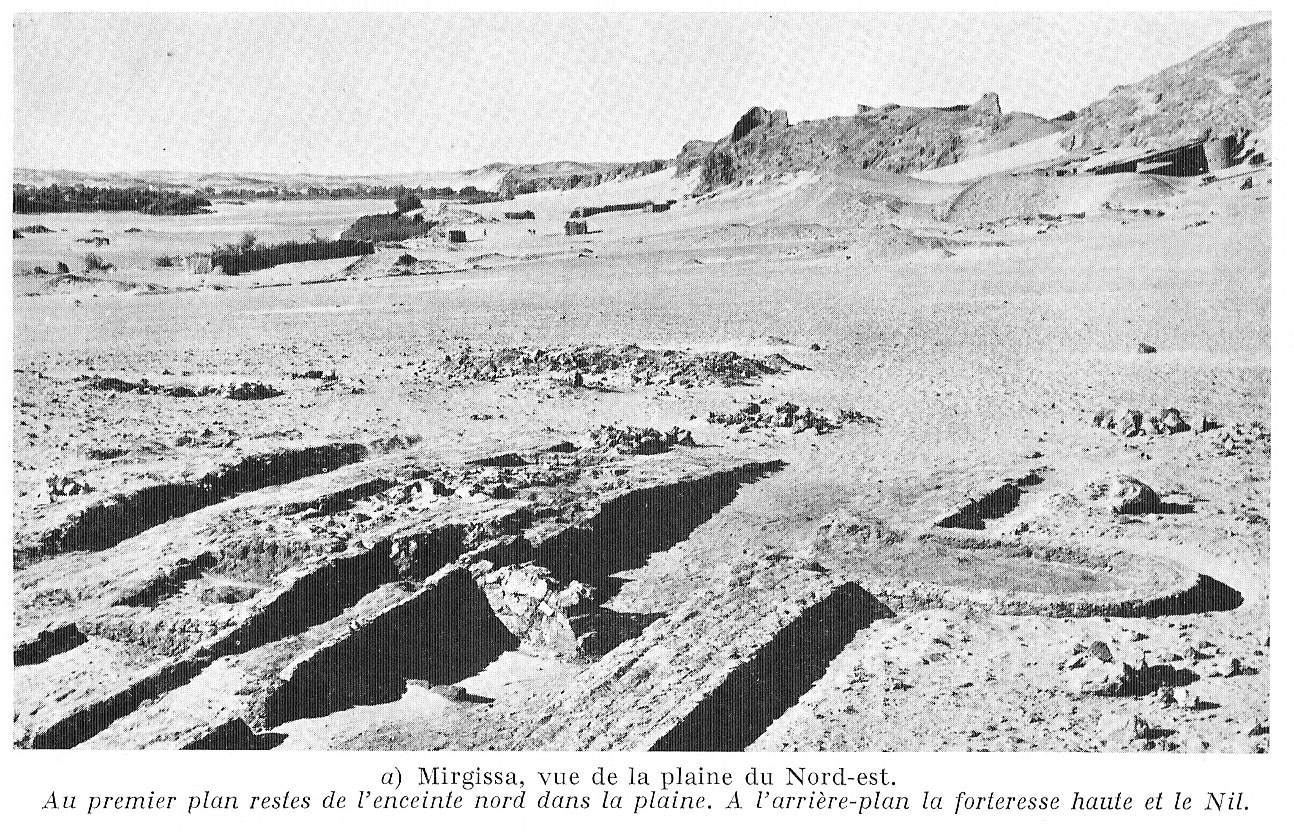
Mirgissa
Fortified Nubian settlement with large fortress.
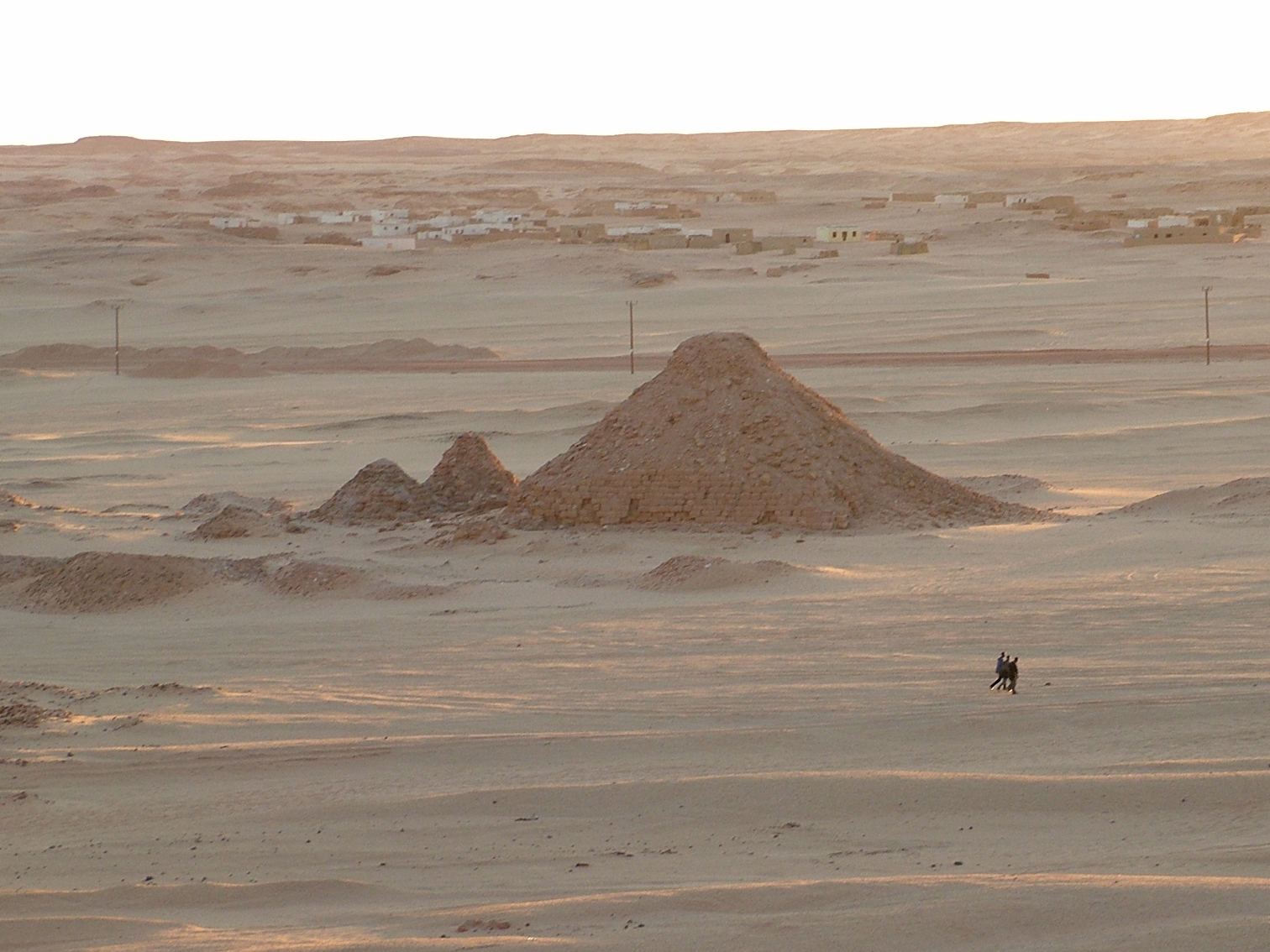
Jebel Barkal
Mesa with temples and pyramids in Sudan.
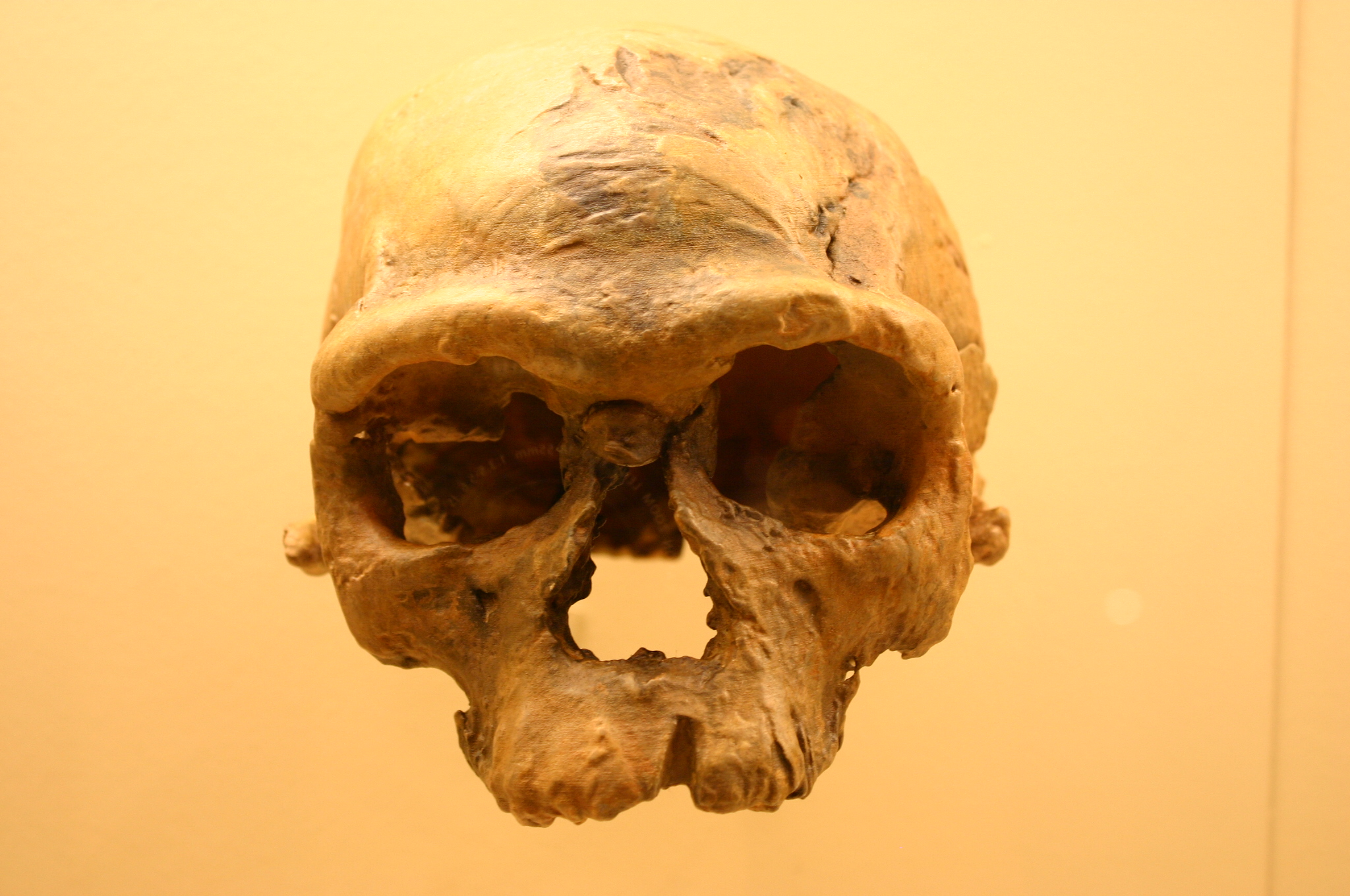
Shalfak
Ancient Egyptian fortress with mudbrick walls
Debeira
Nubian necropolis and medieval town remains
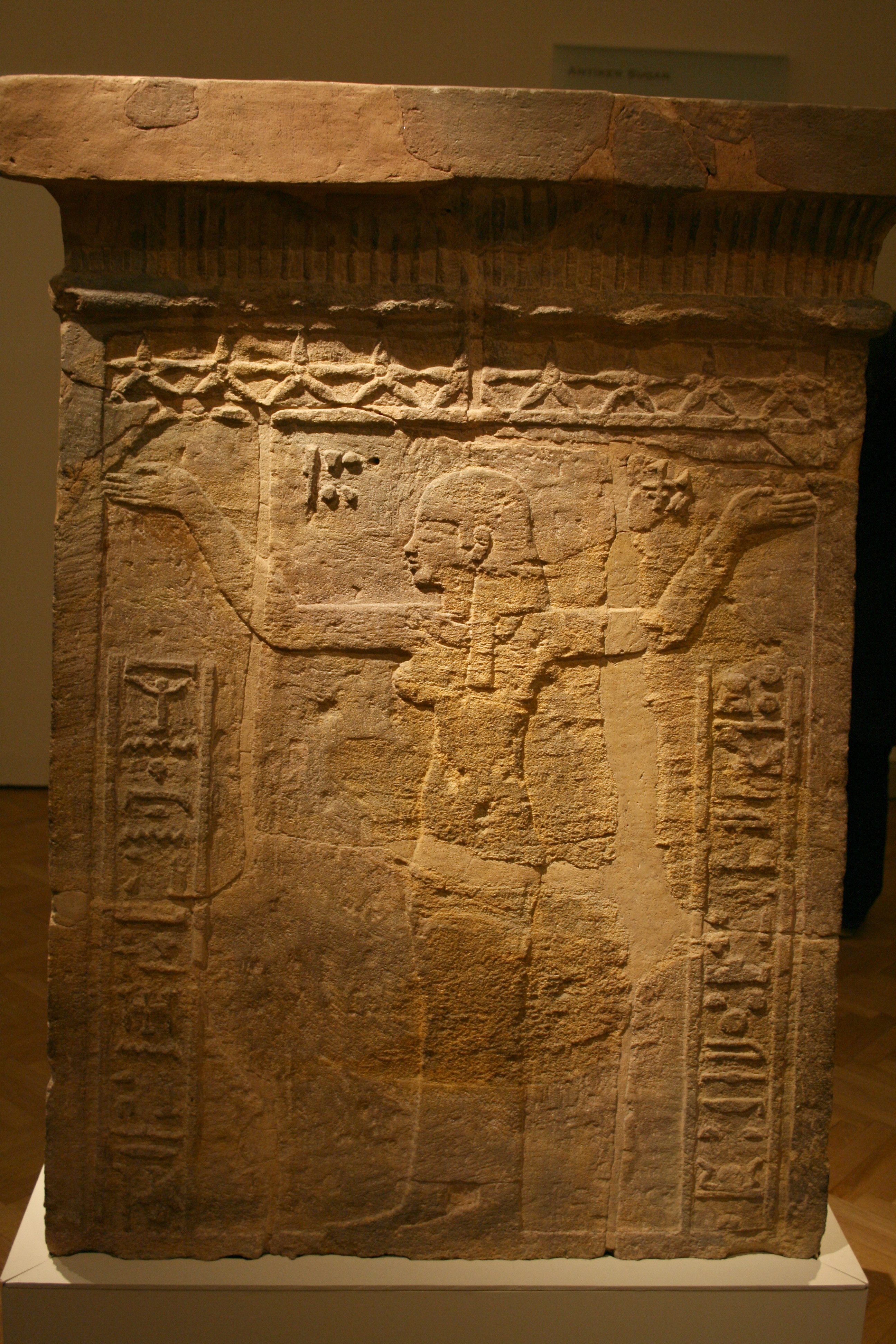
Wad ban Naqa
Wad ben Naga (also Wad Ban Naqa or Wad Naga) is the name of an ancient town of the Kushitic Kingdom of Meroë in present-day Sudan.
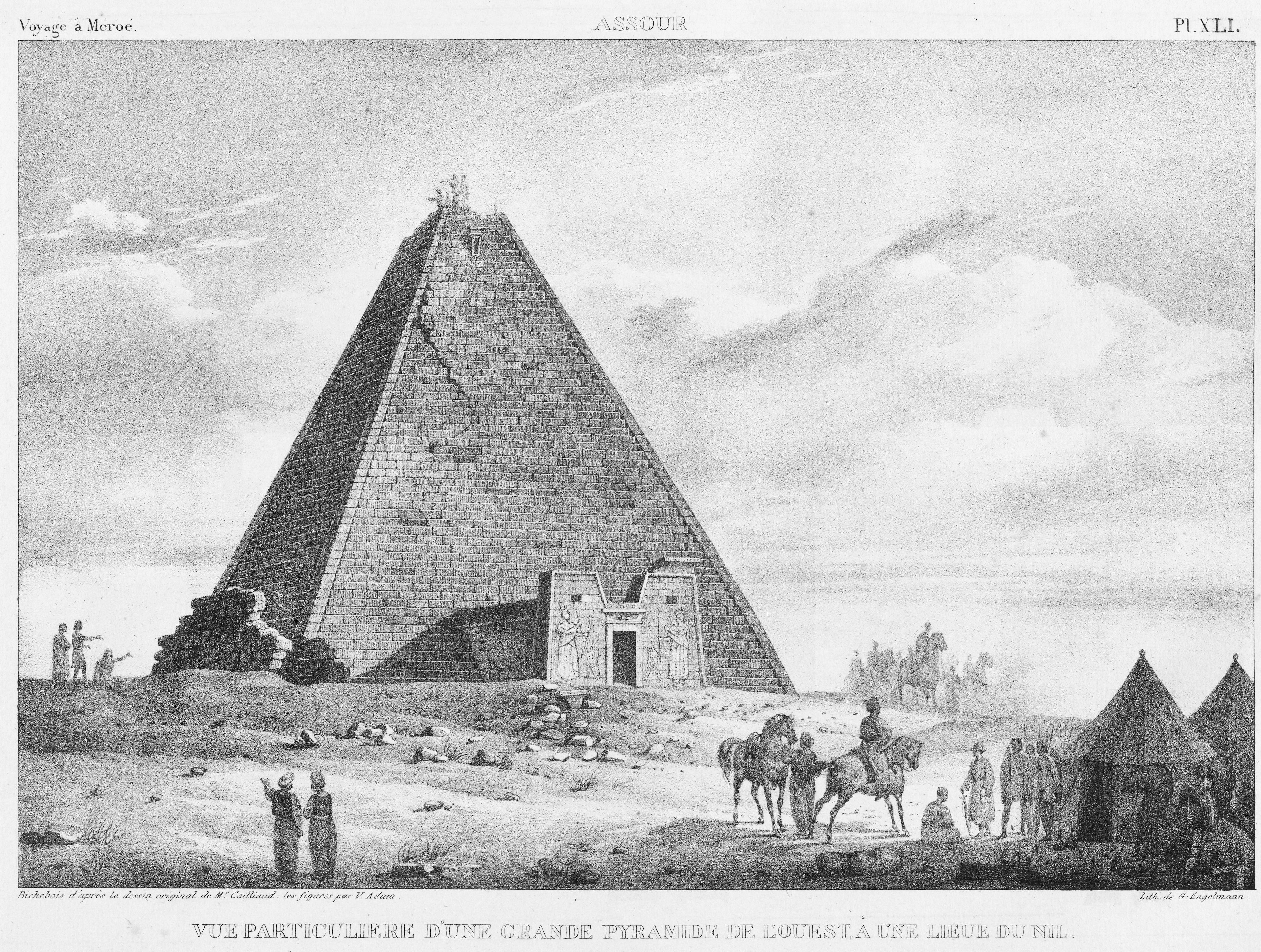
Nubian pyramids
Tall, narrow stepped pyramids in Sudan.