
Explore the Map
Meroë
16.9333° N, 33.7264° E
About
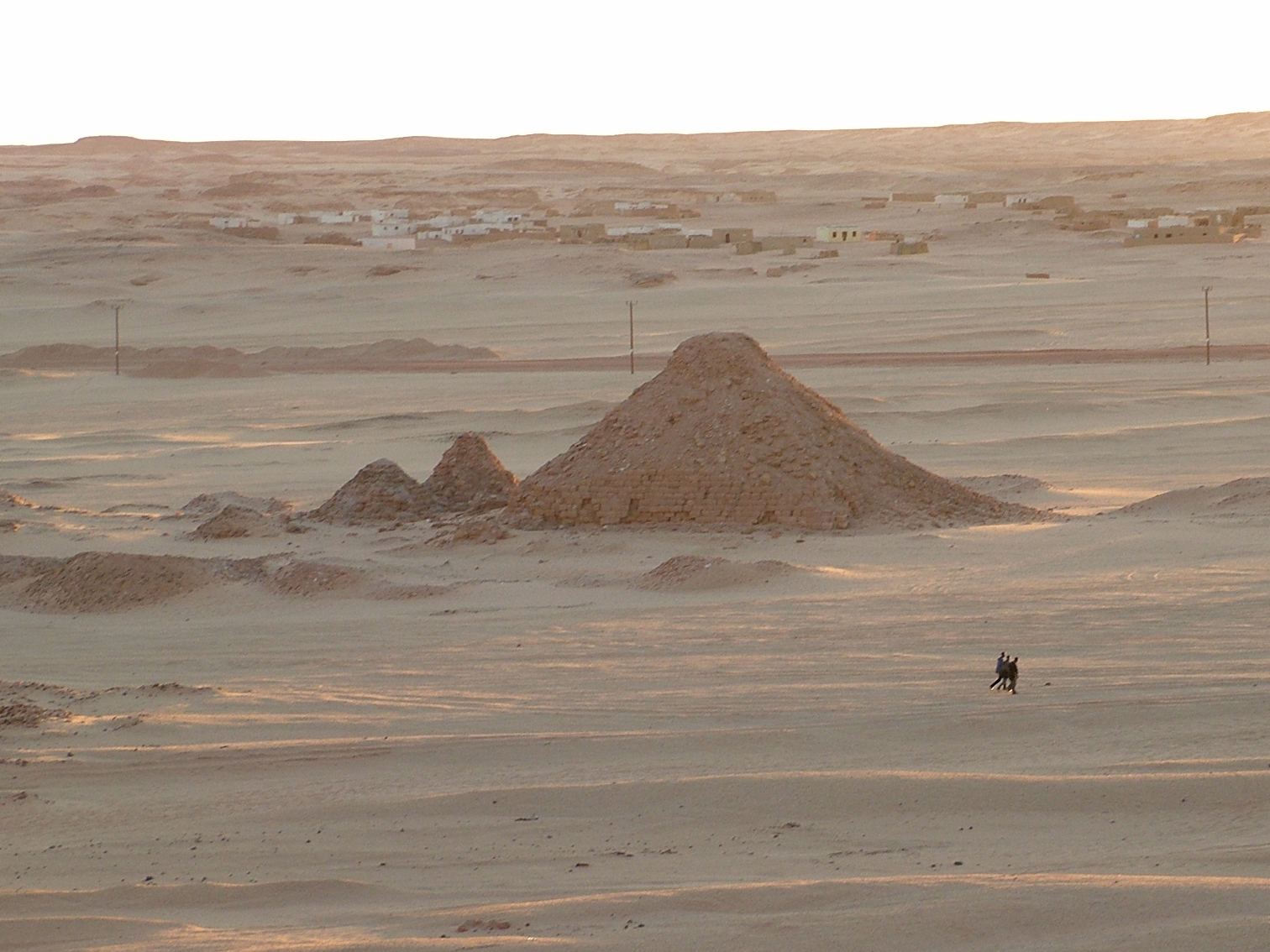
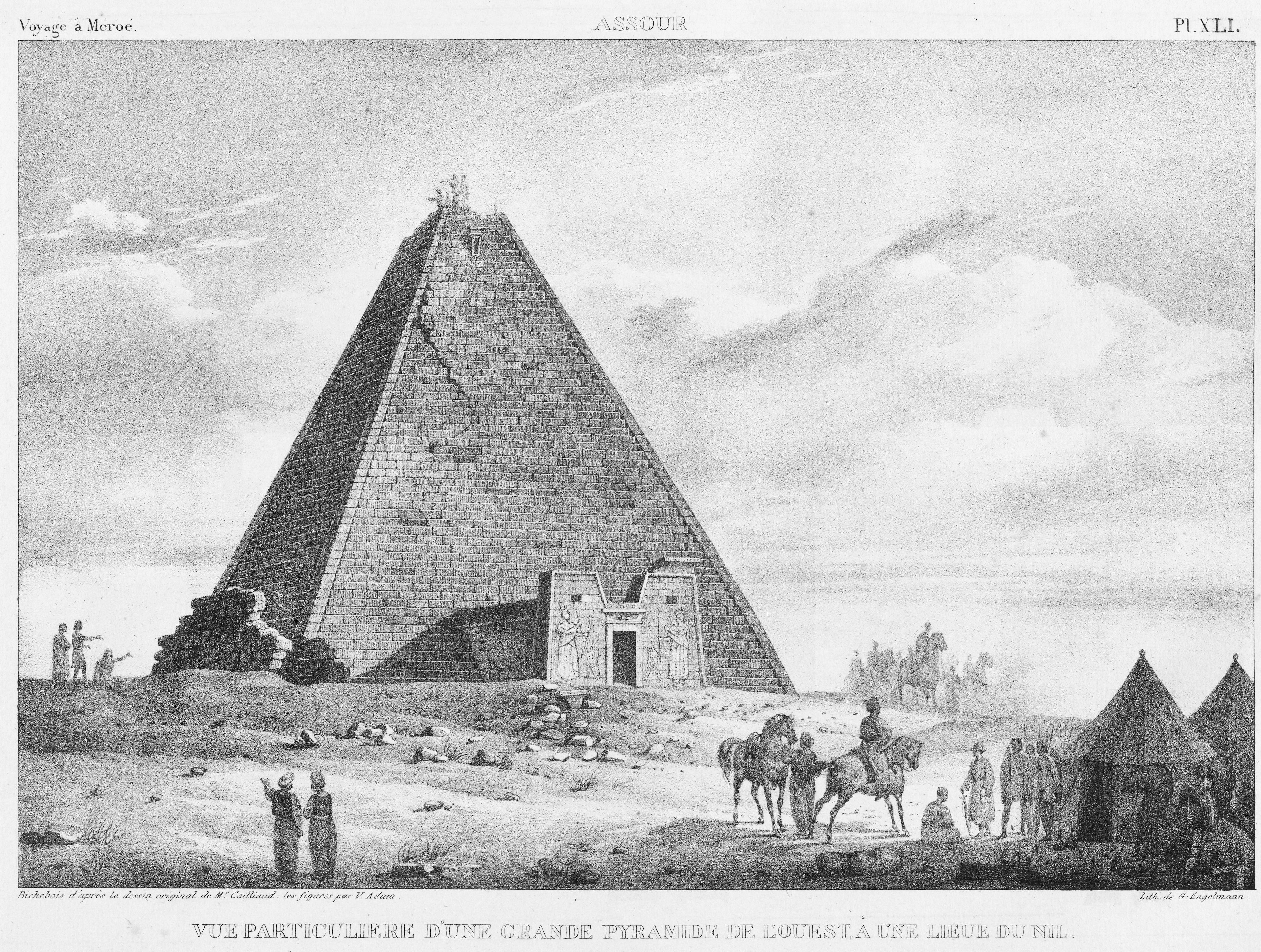
Meroë (; also spelled Meroe; Meroitic: Medewi; Arabic: مرواه, romanized: Meruwah and مروي, Meruwi; Ancient Greek: Μερόη, romanized: Meróē) was an ancient city on the east bank of the Nile about 6 km north-east of the Kabushiya station near Shendi, Sudan, approximately 200 km north-east of Khartoum. Near the site is a group of villages called Bagrawiyah (Arabic: البجراوية). This city was the capital of the Kingdom of Kush for several centuries from around 590 BC, until its collapse in the 4th century AD. The Kushitic Kingdom of Meroë gave its name to the "Island of Meroë", which was the modern region of Butana, a region bounded by the Nile (from the Atbarah River to Khartoum), the Atbarah and the Blue Nile. The city of Meroë was on the edge of Butana. There were two other Meroitic cities in Butana: Musawwarat es-Sufra and Naqa. The first of these sites was given the name Meroë by the Persian king Cambyses, in honor of his sister who was called by that name. The city had originally borne the ancient appellation Saba, named after the country's original founder. The eponym Saba, or Seba, is named for one of the sons of Cush (see Genesis 10:7). The presence of numerous Meroitic sites within the western Butana region and on the border of Butana proper is significant to the settlement of the core of the developed region. The orientation of these settlements exhibit the exercise of state power over subsistence production. The Kingdom of Kush which housed the city of Meroë represents one of a series of early states located within the middle Nile. It was one of the earliest and most advanced states found on the African continent. Looking at the specificity of the surrounding early states within the middle Nile, one's understanding of Meroë in combination with the historical developments of other historic states may be enhanced through looking at the development of power relation characteristics within other Nile Valley states. The site of the city of Meroë is marked by more than two hundred pyramids in three groups, of which many are in ruins. They have the distinctive size and proportions of Nubian pyramids.
Historical Timeline
Journey through time and discover key events in this site's history
Roman punitive expedition
23–22 BC
Nero's exploration
61 AD
Arakamani transfers royal burial ground
c. 280 BC
Aksumite presence and inscriptions
c. 330 AD
Destruction by Axum
350 AD
Herodotus reference
5th century BC
First Meroitic Period
542–315 BC
Capital moved to Meroë
c. 591 BC
Kingdom of Kush span
c. 800 BC–c. 350 AD
Archaeological Features
Unique architectural and cultural elements found at this historical site
Burial and Funerary Structures
Industrial and Craft Structures
Religious and Ritual Structures
Artistic and Decorative Features
Domestic and Habitation Structures
Frequently Asked Questions
Plan Your Visit
Tours, travel arrangements, and practical information
More Sites in Sudan
El-Hobagi
Post-Meroitic tumuli with weapons and vessels
Jebel Barkal
Mesa with temples and pyramids in Sudan.
Musawwarat es-Sufra
Large Meroitic temple complex in Sudan
Nubian pyramids
Tall, narrow stepped pyramids in Sudan.
Meinarti
Stratified archaeological remains on Nile island
Zuma, Sudan
Ancient tumuli field with distinct grave types.