Explore the Map
Ahin Posh
34.4120° N, 70.4521° E
About
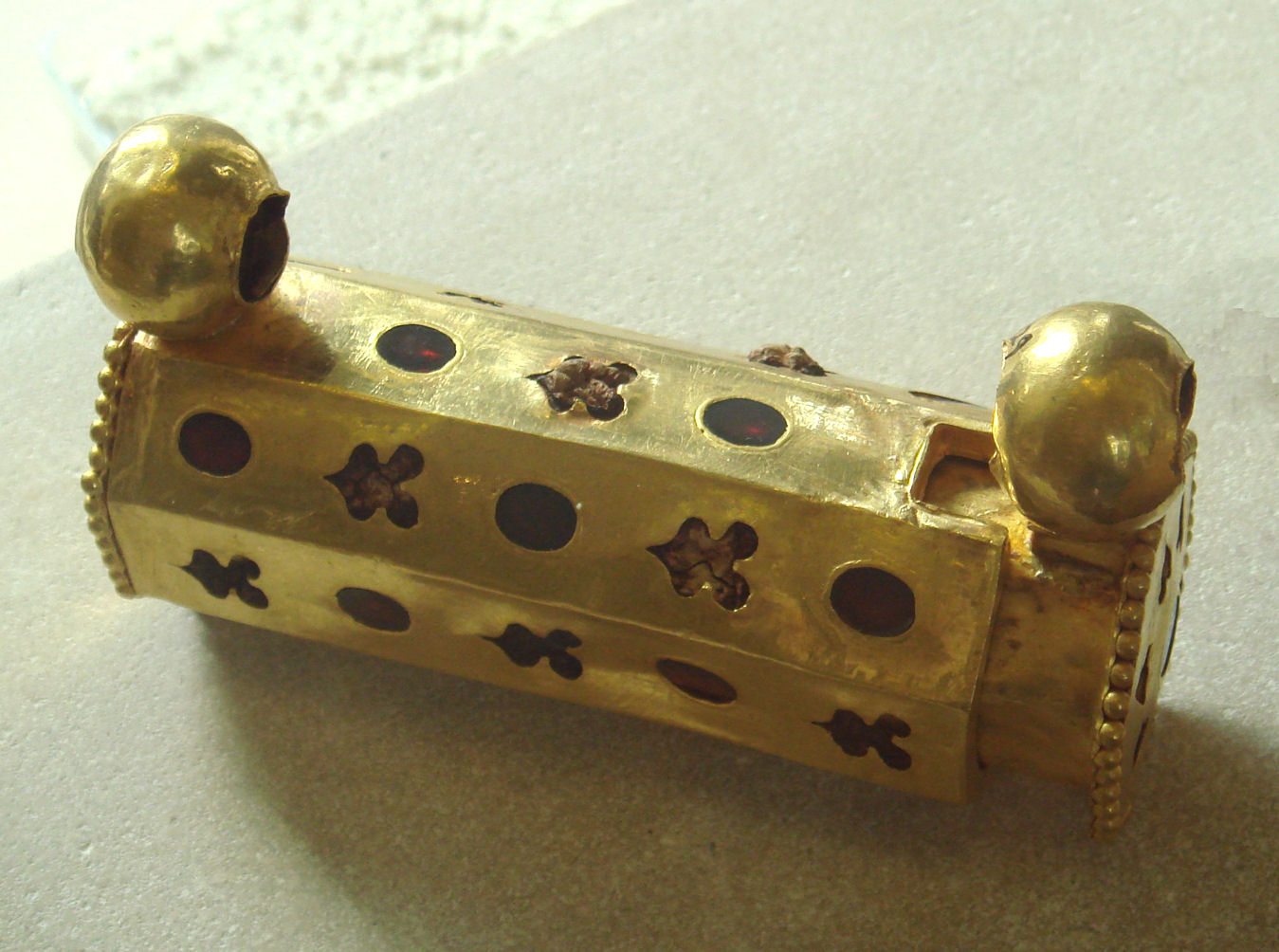
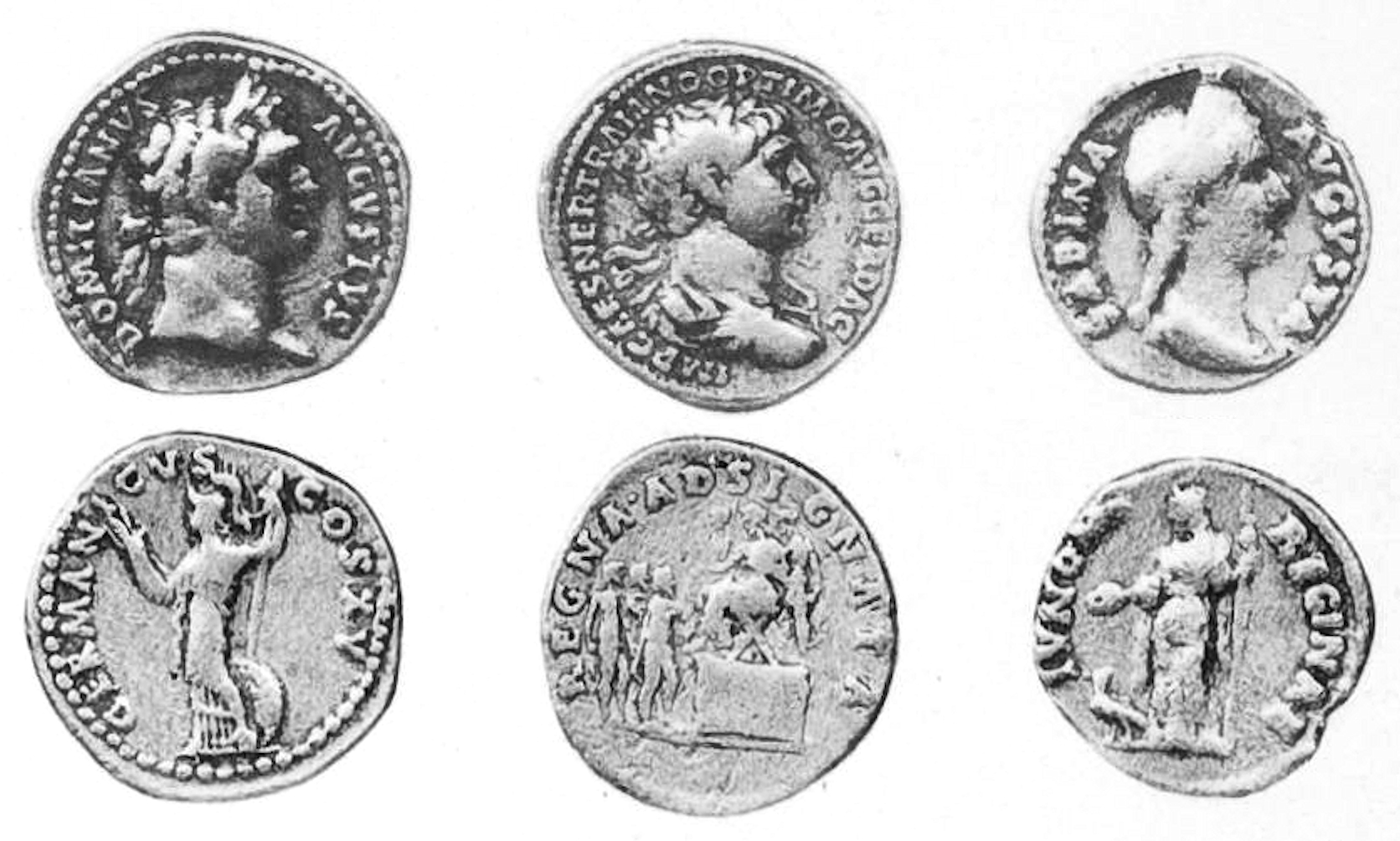
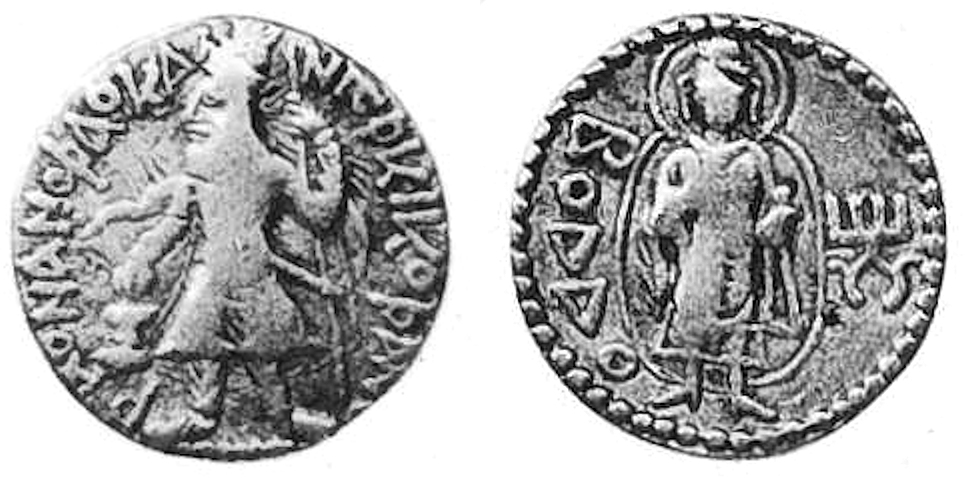
Ahan Posh or Ahan Posh Tape (Persian: آهن پوش (âhan puš) "iron-covered (place)") is an ancient Buddhist stupa and monastery complex in the vicinity of Jalalabad, Afghanistan, dated to circa 150-160 CE, at the time of the Kushan Empire. The stupa was first excavated by William Simpson in February 1879. He cleared the base of the stupa and dug a tunnel to the center. The excavation found the remains of a colossal Buddha statue in clay covered with stucco at the entrance of the principal gateway, with feet measuring 58 centimeters in length. The stupa was decorated with Indo-Corinthian capitals, "Indo-Persian" capitals, and capitals of the Ionic order typical of the Roman period. Some of the Indo-Corinthian capitals had Buddhas seated among the foliage. A relic deposit compartment was found at the center of the stupa Ahin Posh, which was reached by a tunnel dug by Simpson. The deposit included a Gandharan golden amulet inset with garnets, in which two coins were found: one of Wima Kadphises and one of Kanishka. Overall, numerous coins of Kushan kings were found in the central deposit compartment: ten coins of Wima Kadphises (c. 113–127 CE), six coins of Kanishka I, including one with an image of the standing Buddha, and one coin of Huvishka (circa 150–190 CE). Roman coins were also found in the deposit: a gold aureus of Roman emperor Domitian (81–96 CE), a gold coin of the Roman emperor Trajan (98-117 CE) and a gold aureus of Sabina, wife of Hadrian (117-138 CE). In the coin of Sabina, she is entitled "Agusta", a title she received in 117 CE, at the time Hadrian was proclaimed Emperor. Therefore, the final dedication of the Ahin Posh stupa necessarily occurred after this date, probably during the few decades after 120 CE. This deposit now forms part of the collections of the British Museum.
Gallery
Explore photographs of ancient structures, artifacts, and archaeological excavations
Historical Timeline
Journey through time and discover key events in this site's history
Sabina coin and final dedication
post-117 CE
Roman aureus of Domitian
81–96 CE
Roman coin of Trajan
98–117 CE
Wima Kadphises coinage in deposit
c. 113–127 CE
Site date
c. 150–160 CE
Huvishka coin in deposit
c. 150–190 CE
Excavation by William Simpson
February 1879
Archaeological Features
Unique architectural and cultural elements found at this historical site
Miscellaneous Features
Religious and Ritual Structures
Artistic and Decorative Features
Environmental and Natural Features
Frequently Asked Questions
Plan Your Visit
Tours, travel arrangements, and practical information
More Sites in Afghanistan
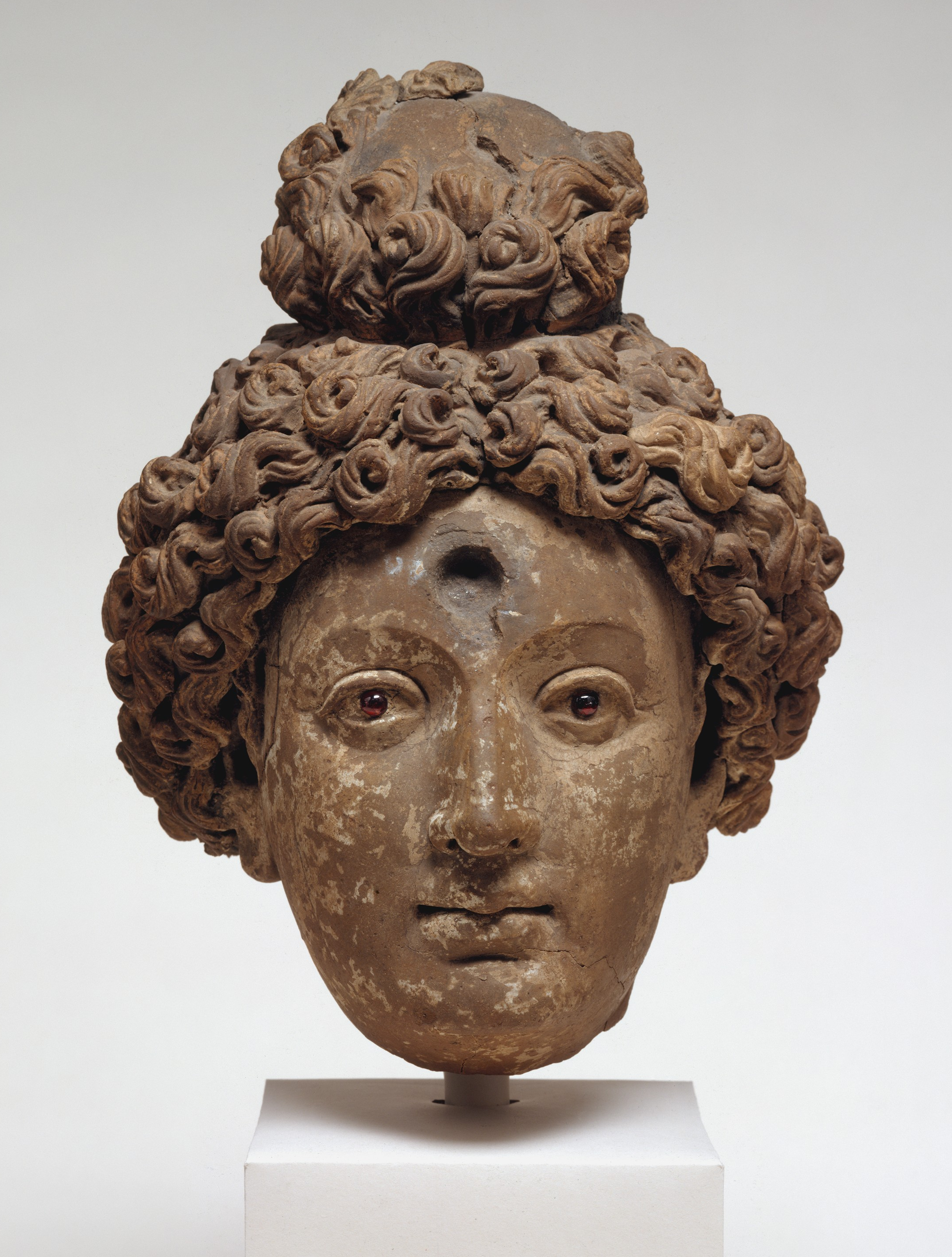
Tapa Shotor
Large Sarvastivadin monastery with Hellenistic influences
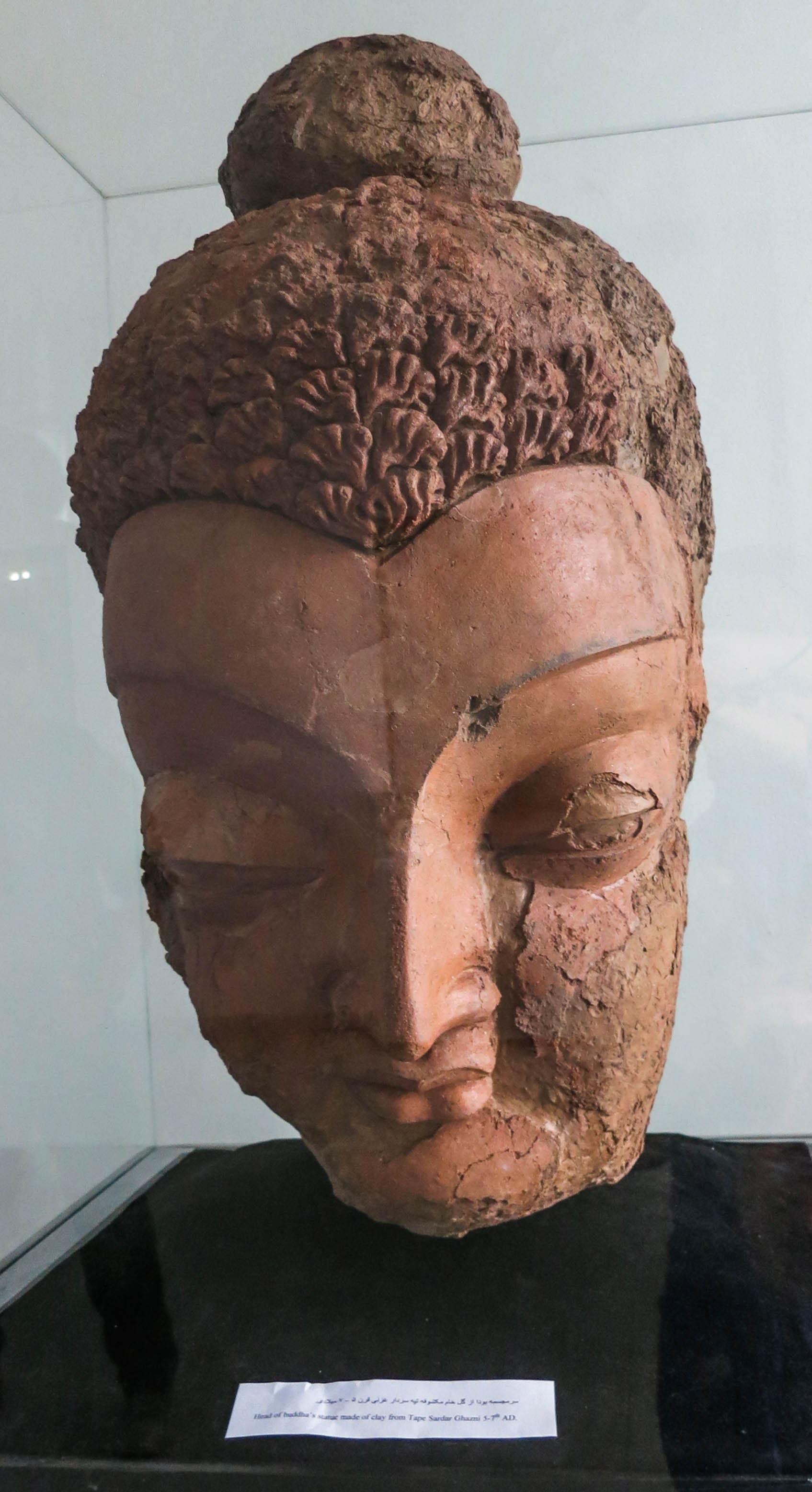
Tepe Sardar
Ancient Buddhist monastery with Hellenistic influence
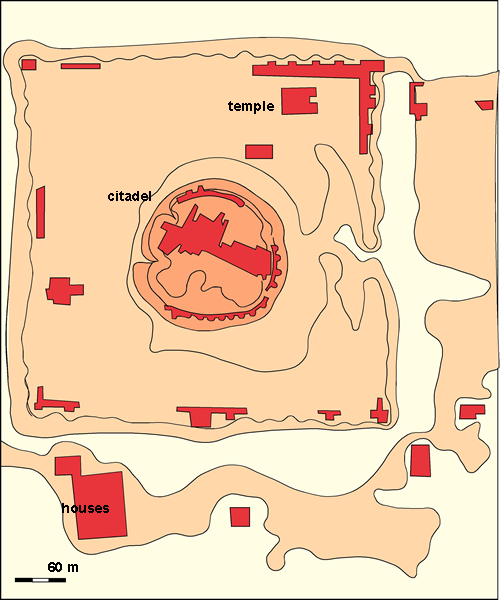
Dilberjin Tepe
Ancient town with Kushan-era citadel and murals.
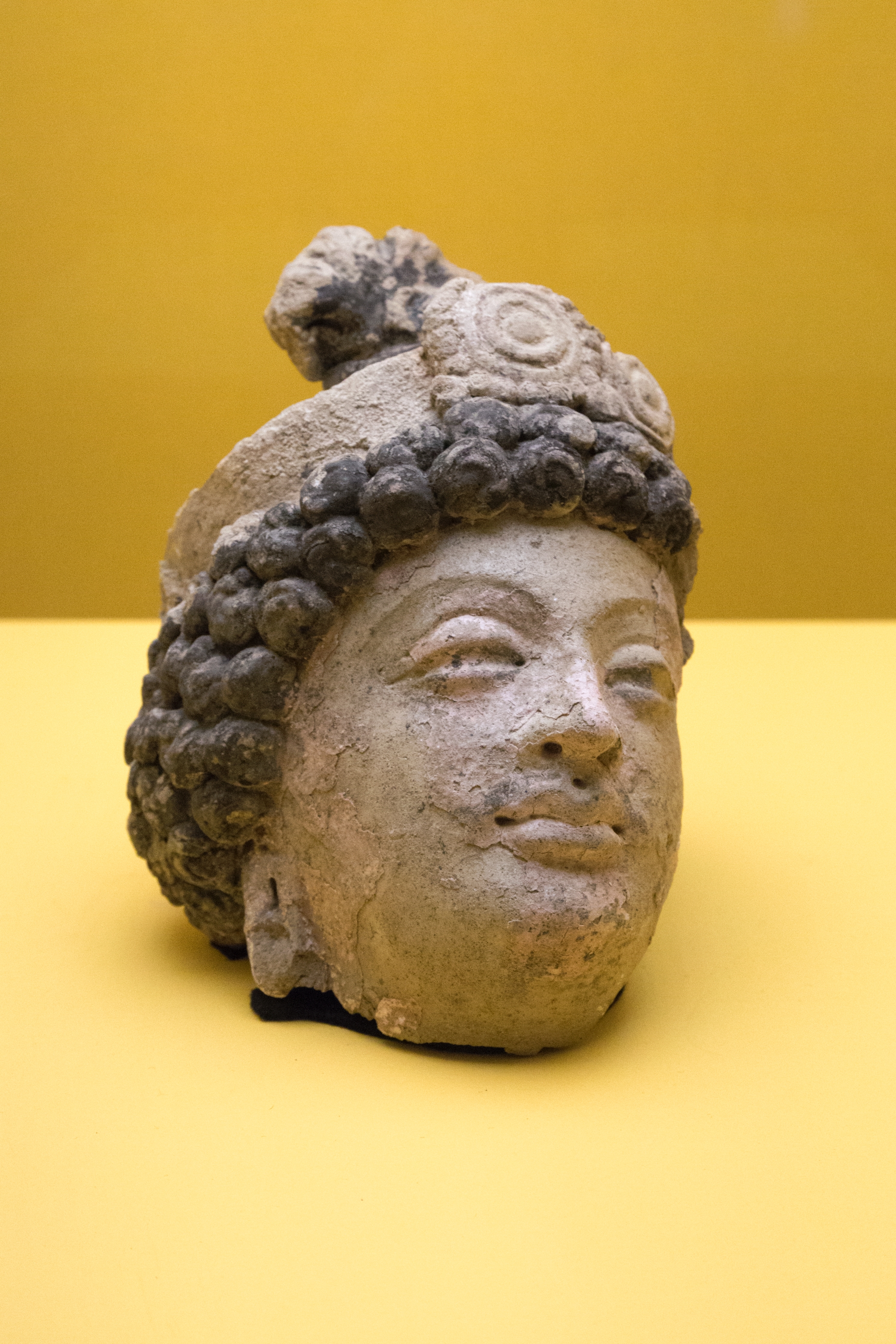
Mes Aynak
Buddhist settlement with copper deposits
Khair Khaneh
Buddhist archaeological site in Kabul, Afghanistan.
Rag-i-Bibi
Sassanian rock relief on Afghan cliff